
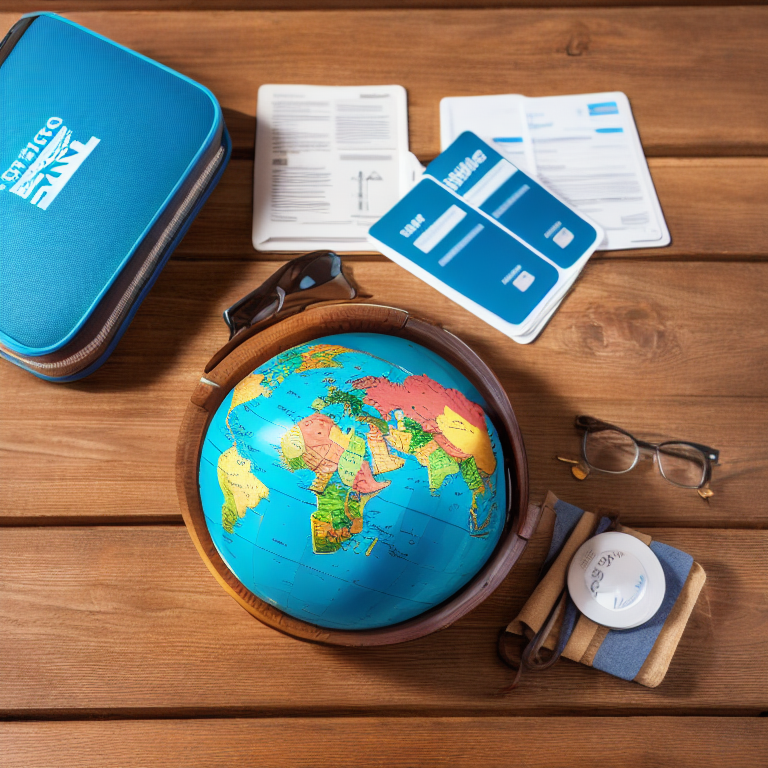

Planning an international trip is exciting, but it’s important to think about what happens if something goes wrong while you’re far from home. Travel insurance for international trips helps protect you from unexpected costs like medical emergencies, trip cancellations, or lost luggage. In this guide, we’ll break down everything you need to know about travel insurance so you can travel with peace of mind.
Why Travel Insurance Matters for International Trips
When you’re traveling abroad, you’re often far from your regular healthcare providers and support systems. If you get sick or injured, medical care in another country can be very expensive, and your regular health insurance might not cover you outside your home country. Travel insurance steps in to cover these costs, along with other travel mishaps like flight delays or stolen belongings.
For example, if you need emergency medical treatment while traveling, travel insurance can help pay for hospital bills, doctor visits, and even emergency medical evacuation if needed. This protection can save you from huge unexpected expenses and a lot of stress.
Types of Coverage to Consider
Travel insurance policies can include several types of coverage. The most important is usually medical coverage, which pays for emergency health care while you’re traveling. Another key type is trip cancellation or interruption coverage, which reimburses you if you have to cancel or cut short your trip due to illness, natural disasters, or other covered reasons.
You might also want coverage for lost or delayed baggage, travel delays, and emergency evacuation. Some policies even offer coverage for adventure sports or activities like skiing or scuba diving. It’s important to read the details carefully so you know exactly what is and isn’t covered.
How to Choose the Right Policy
Choosing the right travel insurance policy depends on your destination, the length of your trip, and what activities you plan to do. For example, if you’re going on a ski trip, you’ll want a policy that covers winter sports accidents. If you’re traveling to a country with high medical costs, make sure your policy has high medical coverage limits.
It’s also smart to compare policies from different providers. Look at the coverage limits, deductibles, and exclusions. Some credit cards offer travel insurance as a perk, but these often have limits and may not cover everything you need. Reading reviews and checking ratings can help you find a reliable insurer.
Common Exclusions and Limitations
Every travel insurance policy has exclusions—situations or events that aren’t covered. Common exclusions include pre-existing medical conditions, injuries from risky activities not listed in the policy, and travel to countries under government travel warnings. It’s important to read the fine print so you know what’s excluded.
For example, if you have a medical condition that flares up while traveling, your insurance might not cover treatment unless you purchased a special waiver for pre-existing conditions. Understanding these limitations can help you avoid surprises if you need to make a claim.
How to File a Claim
If something goes wrong during your trip, filing a claim with your travel insurance provider is usually straightforward. Most companies let you file online or through a mobile app. You’ll need to provide documentation like receipts, medical reports, or police reports if your belongings were stolen.
It’s a good idea to keep copies of all important documents and save receipts for any expenses related to your claim. Contact your insurance provider as soon as possible to start the claims process and get guidance on what information you’ll need.
Tips for Saving Money on Travel Insurance
Travel insurance doesn’t have to break the bank. One way to save is by comparing quotes from multiple providers. You can also look for discounts if you’re a member of certain organizations or if you purchase insurance for a group or family.
Another tip is to only buy the coverage you need. For example, if you already have health insurance that covers international travel, you might not need as much medical coverage. Also, consider buying insurance early, as some policies offer benefits like coverage for pre-existing conditions if you purchase within a certain time frame after booking your trip.
How Travel Insurance Fits With Other Insurance Plans
Travel insurance is just one piece of your overall insurance puzzle. For example, if you’re self-employed, you might also be looking for affordable health insurance for freelancers to cover you at home. Or, if you have a family, you might be researching how to choose the right dental insurance for your family to manage routine care costs.
It’s important to understand how different insurance types work together. For example, your regular health insurance might not cover international emergencies, so travel insurance fills that gap. Similarly, if you ever face an insurance claim delay, knowing what to do if your insurance claim is delayed can help you get the support you need quickly.
Frequently Asked Questions (FAQ)
Do I really need travel insurance for short trips?
Yes, even short trips can have unexpected problems like flight cancellations or lost luggage. Travel insurance can help cover these costs and give you peace of mind.
Will my credit card’s travel insurance be enough?
Credit card travel insurance often has limits and may not cover everything you need, such as high medical expenses or emergency evacuation. It’s best to check the details and consider supplemental coverage.
Can I buy travel insurance after I’ve started my trip?
Most travel insurance must be purchased before your trip begins. However, some providers offer limited coverage for trips already in progress, so it’s worth checking with your insurer.
What should I do if my travel insurance claim is denied?
If your claim is denied, review the reason provided by the insurer. You can appeal the decision by providing additional documentation or clarification. If needed, contact your state’s insurance department for assistance.
Does travel insurance cover COVID-19 related issues?
Many travel insurance policies now offer coverage for COVID-19, including medical treatment and trip cancellation if you test positive before or during your trip. Always check the specific policy for details.
Conclusion
Travel insurance for international trips is an important tool to protect yourself from unexpected costs and stress while abroad. By understanding the types of coverage available, comparing policies, and knowing how to file a claim, you can travel with confidence. Remember to consider how travel insurance fits with your other insurance needs, such as health or dental coverage, to ensure you’re fully protected. Safe travels!
