
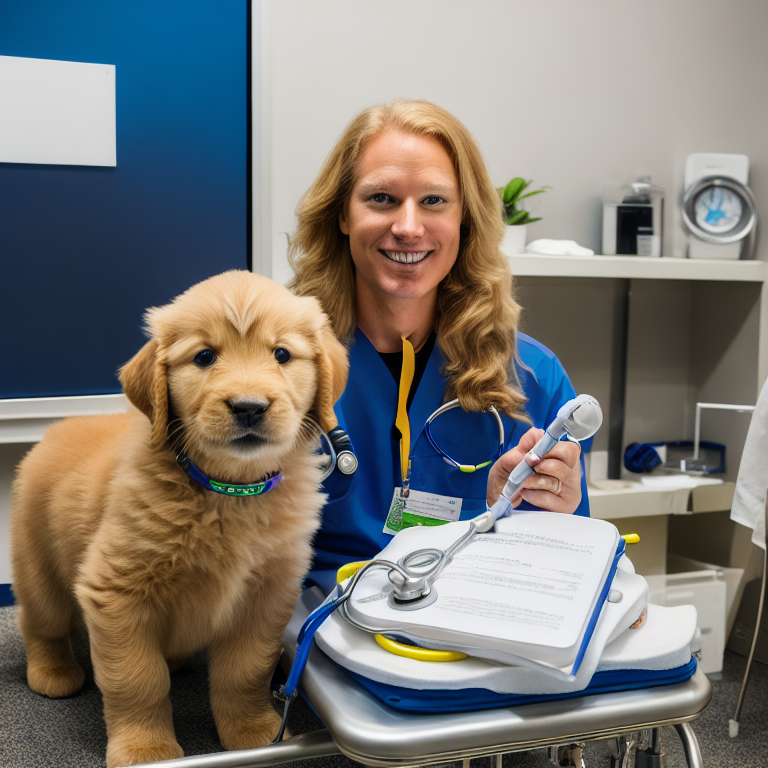

Getting a new pet is exciting, but it also comes with responsibilities and costs you might not expect. Veterinary care can be expensive, especially when emergencies happen. That’s where pet insurance comes in. But what does pet insurance really cover? Understanding the details can help you make the best choice for your furry friend and your wallet.
Pet insurance works a lot like health insurance for people. You pay a monthly premium, and in return, the insurance company helps cover certain veterinary costs. However, not all policies are the same. Some cover only accidents, while others include illnesses, routine care, and even behavioral treatments. Knowing exactly what’s included can save you from surprise bills later.
Let’s break down what pet insurance typically covers, what it doesn’t, and how to choose the right plan for your pet’s needs.
What Types of Coverage Are Available?
Pet insurance plans generally fall into three main categories: accident-only, accident and illness, and comprehensive coverage. Accident-only plans cover injuries from things like car accidents or falls. These are usually the cheapest option but offer limited protection.
Accident and illness plans cover both injuries and diseases, including infections, digestive problems, and chronic conditions like diabetes. This is the most popular type of pet insurance because it provides broader protection. Comprehensive plans, sometimes called “wellness plans,” add routine care like vaccinations, flea prevention, and dental cleanings.
Some companies also offer add-ons for things like alternative therapies, prescription diets, or behavioral training. Understanding these options helps you match coverage to your pet’s lifestyle and health risks.
What Medical Conditions Are Usually Covered?
Most pet insurance policies cover a wide range of medical conditions, especially in accident and illness plans. This includes injuries from accidents, infections, digestive issues, skin conditions, and common illnesses like ear infections or urinary tract problems.
Chronic conditions such as arthritis, allergies, and diabetes are also typically covered, as long as they aren’t pre-existing. Cancer treatments, including chemotherapy and surgery, are covered by many plans. Emergency care, hospitalization, and specialist visits usually fall under coverage too.
However, pre-existing conditions—health problems your pet had before getting insurance—are almost always excluded. Some policies also have waiting periods before certain conditions are covered, so it’s important to read the fine print.
Does Pet Insurance Cover Routine Care and Prevention?
Routine care includes things like annual check-ups, vaccinations, flea and tick prevention, and dental cleanings. Basic accident and illness plans usually don’t cover these services. However, many insurance companies offer wellness add-ons or separate wellness plans that do.
Wellness coverage can help you budget for regular vet visits and preventive care, which can catch health problems early. While it increases your monthly premium, it might save you money in the long run by avoiding costly treatments for preventable issues.
If you want coverage for routine care, look for policies that offer this as an add-on or choose a comprehensive plan that includes it.
Are Prescription Medications Covered?
Most pet insurance plans cover prescription medications if they are prescribed to treat a covered condition. This includes antibiotics, pain relievers, allergy medications, and drugs for chronic illnesses like thyroid problems or heart disease.
However, over-the-counter medications and supplements are usually not covered unless they are part of a prescribed treatment plan. Some policies also exclude certain medications or have limits on how much they will pay for prescriptions each year.
If your pet needs long-term medication, check whether the policy has any caps or restrictions on prescription coverage.
What About Dental Care?
Dental care is an important part of your pet’s health, but coverage varies widely between policies. Some plans only cover dental injuries, like a broken tooth from an accident. Others include treatment for dental diseases, such as infections or gum disease.
Preventive dental care, like cleanings, is usually not covered unless you have a wellness add-on. Because dental problems can lead to serious health issues, it’s worth considering a plan that offers dental coverage or adding it as an extra.
Always check the policy details to see what types of dental care are included and whether there are any annual limits.
Does Pet Insurance Cover Behavioral Issues?
Behavioral problems like anxiety, aggression, or compulsive behaviors can sometimes be covered by pet insurance, but this depends on the policy. Some companies offer behavioral treatment coverage as an add-on, which can include consultations with animal behaviorists, training, and medications.
If your pet has a history of behavioral issues or you’re concerned about potential problems, look for a plan that includes this coverage. Keep in mind that pre-existing behavioral conditions are usually excluded.
Are There Any Exclusions I Should Know About?
Yes, all pet insurance policies have exclusions. Common ones include pre-existing conditions, cosmetic procedures, breeding costs, and experimental treatments. Some policies also exclude certain hereditary or congenital conditions, especially in specific breeds.
Age limits can be another factor. Some insurers won’t cover pets over a certain age or may charge higher premiums for older animals. Routine procedures like spaying or neutering are typically not covered unless you have a wellness plan.
Always read the policy’s fine print to understand what’s not covered before you buy.
How Do Deductibles and Reimbursement Work?
Pet insurance usually works on a reimbursement model. You pay the vet bill upfront, then submit a claim to the insurance company for reimbursement. Most plans have an annual deductible, which is the amount you pay out-of-pocket before insurance starts covering costs.
After meeting your deductible, the insurer reimburses you a percentage of the remaining costs—often 70% to 90%. Some policies have per-incident limits or annual caps on how much they will pay.
Understanding deductibles and reimbursement rates helps you estimate your out-of-pocket costs and choose a plan that fits your budget.
How to Choose the Right Pet Insurance Plan
Choosing the right plan depends on your pet’s age, breed, and health, as well as your budget. Younger pets usually have lower premiums and fewer pre-existing conditions, making it easier to get comprehensive coverage.
Consider your pet’s breed-specific risks. For example, large dogs are more prone to hip dysplasia, while certain cat breeds may have heart issues. If your pet is older, you might prioritize accident coverage or look for insurers that don’t have upper age limits.
Also, think about your financial situation. If you want to avoid large unexpected bills, a plan with higher premiums but lower deductibles and higher reimbursement might be best.
Frequently Asked Questions (FAQ)
Does pet insurance cover pre-existing conditions?
No, most pet insurance policies exclude pre-existing conditions. This means any illness or injury your pet had before the policy started won’t be covered.
Can I use any veterinarian with pet insurance?
Yes, most pet insurance plans allow you to visit any licensed veterinarian, specialist, or emergency clinic.
How soon after signing up does coverage begin?
Most policies have a waiting period, often 14 days for illnesses and 48 hours for accidents, before coverage starts.
Is pet insurance worth it for older pets?
It can be, but premiums are higher and some insurers have age limits. Look for companies that offer coverage for senior pets.
Does pet insurance cover spaying or neutering?
Routine procedures like spaying or neutering are usually not covered unless you have a wellness plan that includes preventive care.
What happens if I switch insurance companies?
If you switch, any conditions your pet had under the old policy may be considered pre-existing by the new insurer and not covered.
Conclusion
Pet insurance can be a valuable safety net, helping you manage the costs of unexpected veterinary care. Understanding what pet insurance really covers—from accidents and illnesses to medications and sometimes even routine care—empowers you to choose the best plan for your pet’s needs.
Remember to compare policies, check for exclusions, and consider your pet’s unique health risks. With the right coverage, you can focus on enjoying your time with your pet, knowing you’re prepared for whatever comes your way.